
Your age
Risk rises as you get older. From age 50, speak to your GP about your risk and whether PSA testing is right for you.
We check the quality of our work every day. Our health deserves attention too. ACQP is helping construction professionals start the conversation, find reliable information and take an informed next step.

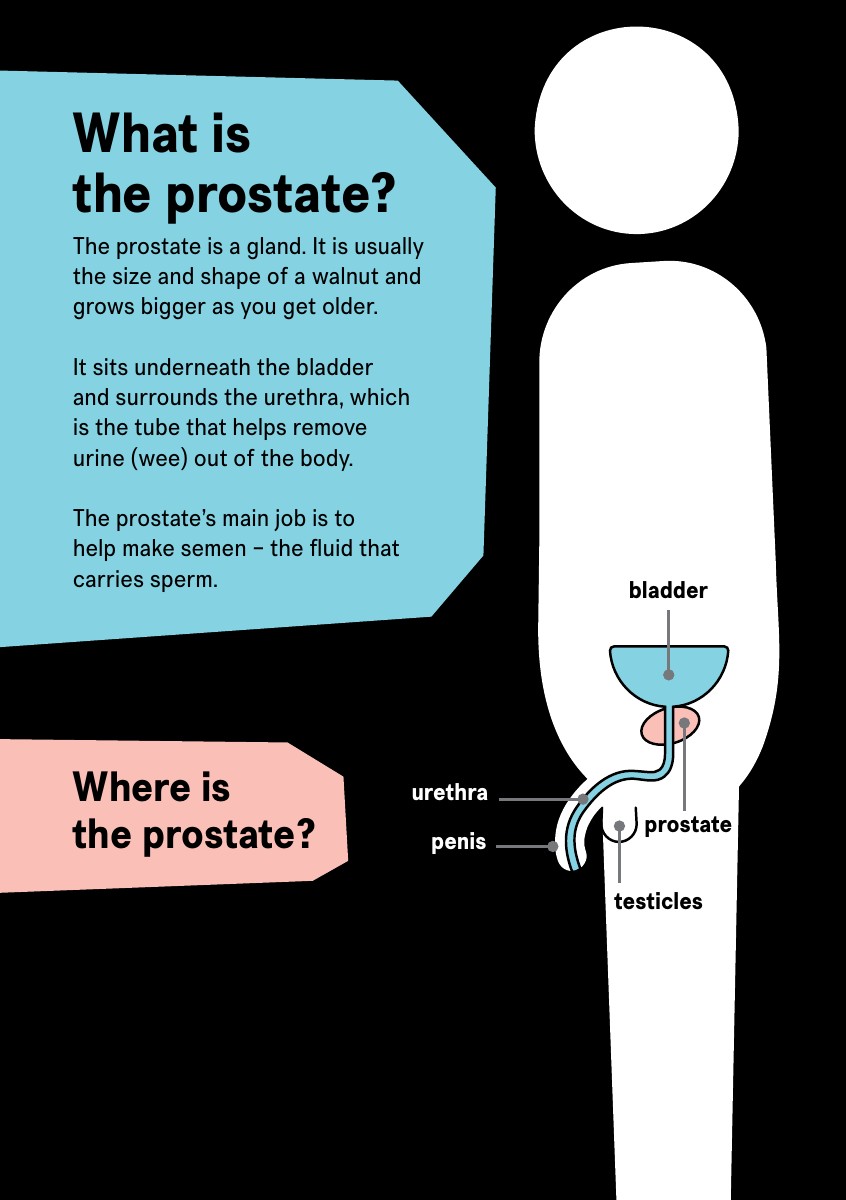
The prostate is a small gland below the bladder that helps make semen. Prostate cancer develops when cells in the gland grow without normal control. Some cancers develop slowly; others grow more quickly and can spread, so assessment and care need to be tailored to the individual.
Anyone with a prostate, and the people who care about them. This includes men, trans women, some non-binary people and some intersex people. Your healthcare professional can explain how your circumstances affect risk and testing.
Sources: the Prostate Cancer UK booklet below and its signs and symptoms guidance.
Age, ethnicity and family history can affect your risk. Having a risk factor does not mean you will develop cancer.
Risk rises as you get older. From age 50, speak to your GP about your risk and whether PSA testing is right for you.
Black men have a higher risk and can be affected at a younger age. Prostate Cancer UK recommends discussing PSA testing with your GP from age 45.
If prostate cancer runs in your family, discuss testing from age 45. Tell your GP about prostate or breast cancer in relatives and any known inherited gene changes.
Symptoms or concerns at any age? Contact your GP; these ages are not a reason to delay.
Use the 30-second risk checkerRead more: Prostate Cancer UK: risk factors and who can have a PSA test.
Keeping check means knowing your risk, noticing changes and following up on advice. It does not mean waiting until you feel unwell.
Use the risk checker and ask about your family’s health history. Take that information to your GP.
Ask about the benefits and limitations of a PSA blood test before deciding whether to have one.
Check when results should arrive, who will explain them and what happens next. Contact the surgery if you have not heard back.
Ask whether and when you should be tested again. The timing depends on your risk and results; there is no single interval suitable for everyone.
“I would like to talk about my prostate cancer risk. Would a PSA blood test be appropriate for me, and what would the result tell us?”
Guidance: Prostate Cancer UK: PSA testing and repeat tests · NHS: PSA testing and results.
Urinary changes often have a non-cancerous cause, such as an enlarged prostate. A GP can help find out what is happening.
Ask for an urgent GP appointment or get help from NHS 111, even if it is a small amount or you are unsure it is blood. Read the NHS advice.
Do not wait for the March campaign or rely on a home-test result if you have symptoms. Source: Prostate Cancer UK: signs and symptoms.
A PSA blood test measures prostate-specific antigen. It may help identify a problem before symptoms appear, but it cannot diagnose cancer on its own.
PSA can rise for reasons other than cancer, including an enlarged prostate or inflammation. A low result cannot completely exclude cancer. Testing can also lead to investigations or treatment that may not have been needed.
Discuss these trade-offs with your GP. If further assessment is needed, this may involve another blood test, an MRI scan and sometimes a biopsy.
Follow the clinician’s preparation advice and tell them about medicines, recent infections and procedures that might affect the result. Ask when to expect results and what follow-up is needed.
NHS: the PSA test · Prostate Cancer UK: benefits and limitations.
Construction professionals spend their working lives looking out for others. The ACQP Foundation wants our community to feel able to look after themselves as well.
We bring together trusted guidance, the risk checker and a downloadable guide so members and families can find an informed next step.
Read the guideOur annual awareness initiative offers free prostate tests. Ask the team about the kit, eligibility, availability and arrangements for the next March campaign.
About the March initiativeWe encourage members and employers to share reliable information, make time for health appointments and support colleagues who need someone to listen.
Talk to the FoundationYou can enquire throughout the year. No donation is required to enquire about a free test. The Foundation provides campaign information and support; medical advice and interpretation of results belong with your healthcare professional.

Prostate Cancer UK’s Prostate cancer: A guide if you’ve just been diagnosed explains tests, results, treatment options and ways to find support. It also includes space to record results, appointments and questions for your care team.
This is a guide for people with a diagnosis and those close to them. For questions about your risk or whether to test, start with the risk checker and a conversation with your GP.
Published by Prostate Cancer UK, August 2026. The original booklet and its branding are unchanged. Cover © Prostate Cancer UK.
Its Specialist Nurses offer free, confidential information and support for people affected by prostate cancer, including partners and family.
0800 074 8383For risk and PSA questions, the Risk Information Service is on 0800 448 0821.
Contact options and opening hoursFor campaign enquiries, wellbeing support or a conversation about practical difficulties, contact the Foundation. Please discuss medical details and test results directly with your care team.
020 3026 1023Explore Foundation supportA voluntary donation supports the ACQP Foundation’s wider work in health awareness, wellbeing, hardship and education, including our March prostate-test initiative.
Donations go to the ACQP Foundation, not Prostate Cancer UK, and are not ring-fenced to prostate cancer. For a contribution to a specific initiative, please contact us first.
This is general awareness information, not an individual diagnosis or treatment plan. Speak to your GP about your circumstances. This is an independent ACQP initiative; links and credited resources do not imply endorsement by Prostate Cancer UK or the NHS.
Information checked against the linked sources on .